



microflora
microflora
Regular price
19.810 Ft
Sale price
19.810 Ft
Regular price
Tax included.
One 1-Pack vabon microflora contains 1 container with 255 g ℮, equivalent to 20 daily servings.
Four-dimensional diversity for your gut.
vabon microflora combines six different high-quality sources of dietary fiber, 36 fermented fruits and vegetables, polyphenols, and selected micronutrients in one formula.
What microflora brings to you
- Supports healthy digestion
- Supports your intestinal lining
- Supports your immune system
- Supports a normal metabolism
- Supports nerves & mental well-being
- Supports your energy metabolism
- Supports hormone regulation
- Supports cognitive function
vabon microflora is vegan, soy-free, and lactose-free, with no added sugar*, sweeteners, preservatives, added flavors, or artificial colorings.
Subscribe and benefit as a preferred customer
Benefits of the monthly subscription:
- ✓Enjoy exclusive benefits as a vabon preferred customer
- ✓Reduced purchase prices
- ✓Extra orders are eligible for discounted prices
- ✓Automatic, regular, and on-time delivery
- ✓Subscription can be paused or cancelled at any time
This makes your daily healthy routine easier — and helps you save real money too.
Couldn't load pickup availability
Product benefits
Product benefits
For more variety in your gut routine
- Supports healthy digestion
- Supports your intestinal lining
- Strengthens your immune system - including in the gut
- Keeps your metabolism on track
- Good for your nerves & psyche
- Supports your energy balance
- Gut & hormones in communication
- Supports cognitive function
Discover even more:
Recommended daily intake
Recommended daily intake
Recommended daily intake: Stir 1 serving (12.75 g = 2 scoops) into approx. 100 ml of liquid, yogurt, or similar and consume daily.
The right time: vabon microflora can generally be taken at any time of day. We recommend taking it with or after a meal.
Start gradually: As one daily serving provides 9 g of fiber, we recommend gradually integrating vabon microflora into your daily routine. This allows your digestion to adjust to the increased fiber intake. At the beginning, rapidly increasing the amount of fiber may temporarily cause symptoms such as flatulence or a changed digestive sensation.
Easy to use: Two scoops correspond to one daily serving. This contains 9 g of fiber.
Product details
Product details
One 1-Pack of vabon microflora contains 255 g ℮, equivalent to 20 daily servings.
Inavea™ acacia fiber, Fibalance™ PHGG, Hi-Maize® resistant corn starch, Fibersol®-2 resistant corn dextrin and OatWell® oat bran, together with psyllium husks, form a diverse fiber blend with different fiber structures and properties.
Fibriotics® complements the formula with 36 fermented fruits and vegetables, along with their fermentation products and microbial cell components. Polyphenols from Fibriotics® and cranberry extract, as well as Aquamin® red algae mineral complex, zinc and biotin complete the four dimensions. A well-considered concept that views your individual gut microbiome as an ecosystem.
vabon microflora is vegan, soy-free and lactose-free. It contains no added sugar* and no sweeteners, preservatives, added flavorings or artificial colorings. In addition, vabon microflora has a high fiber content (9g per daily serving).
Pack sizes:
1-Pack = 1 container, 20 daily servings
2-Pack = 2 containers, 40 daily servings
4-Pack = 4 containers, 80 daily servings
10-Pack = 10 containers, 200 daily servings
* contains naturally occurring sugar
Ingredients and nutritional information
Ingredients and nutritional information
Nutritional information for vabon microflora
Discover our ingredients.
Ingredients: Acacia fiber, oat extract, resistant corn dextrin, partially hydrolyzed guar gum, RS2 resistant corn starch, powder made from 36 fermented, dried fruits and vegetables, psyllium husk powder, cranberry extract, beetroot powder, Aquamin® red algae powder, zinc bisglycinate, D-biotin.
vabon microflora contains, among other things, 9 g of fiber per serving, calcium, zinc, and biotin, as well as selected plant compounds and fermented ingredients.
fast delivery
shop conveniently and securely
insured shipping
30-day money-back guarantee
Become a preferred customer and save on processing fees
The benefits of microflora at a glance.
Diversity for your gut microbiome

Supports good digestion

Supports your intestinal lining

Strengthens your immune system - including in your gut

Keeps your metabolism on track

Good for the nerves & psyche

Supports your energy balance

Supports hormone regulation

Supports cognitive function
It’s included
Four dimensions. A well-considered interplay.
vabon microflora focuses on diversity in four dimensions: diverse dietary fibers, polyphenols, fermented plant compounds, and natural micronutrient diversity.
Specifically, the formula combines 36 fermented fruit and vegetable ingredients with six additional sources of dietary fiber, selected plant compounds, and Aquamin®, a calcium derived from algae, supplemented with biotin and zinc.
This means vabon microflora brings together different ingredients in one daily serving - because a diverse ecosystem needs one thing above all: diversity.

The gut is much more than a digestive organ.
It communicates closely with many areas of our body.

Hormonal signaling pathways

Immune system

Metabolism

Gut-brain axis
Communication between the gut and brain
This is how the microbiome can influence many things:
Mood
Appetite
Energy balance
Stress management
cognitive functions
Hormone regulation
Sleep
Top
Nutrient absorption, and much more.

The power is already within you.
Many gut products rely on probiotics - live bacterial cultures. vabon microflora takes a different approach: Instead of adding individual bacterial strains, its formula supplies the gut microbiome already present with a variety of different substrates.
Every microbiome is unique - and different microorganisms require different nourishment. That is precisely why vabon microflora relies on variety as the daily foundation for your microbiome.

Ingredients
Carefully selected ingredients for your daily well-being.

dietary fiber
Inavea™ acacia fiber
A soluble fiber from the natural sap of the acacia tree. It is slowly fermented by intestinal bacteria and adds a well-tolerated source of dietary fiber to the blend. Studies on acacia fiber have observed, among other things, changes in bifidobacteria and lactobacilli, as well as increased stool weight.

dietary fiber
OatWell™ oat extract
OatWell® combines soluble and insoluble dietary fiber in a natural oat matrix. The beta-glucans it contains form a gel-like structure in the digestive tract and are subsequently fermented by intestinal bacteria. This produces short-chain fatty acids such as propionate. In addition to the beta-glucan content, the chain length and properties of the oat matrix also play a role.

dietary fiber
Fibersol®-2 resistant maltodextrin
A soluble fiber from corn that is fermented by gut bacteria. This produces short-chain fatty acids such as acetate, propionate, and butyrate. Fibersol®-2 complements the different fiber structures in the blend. Human studies on resistant maltodextrin examined, among other things, changes in the gut microbiota, stool weight, and digestive tolerance.

dietary fiber
Fibalance® PHGG
A partially hydrolyzed, highly soluble fiber from the inside of the guar bean. Human studies show, among other things, an increase in bifidobacteria and normalization of stool consistency, as well as indications of increased lactobacilli and short-chain fatty acids.

dietary fiber
RS2 resistant starch
A resistant starch that reaches the small intestine largely undigested and can be utilized by bacteria in the large intestine. Ruminococcus bromii, among others, plays a role in this process. Through cross-feeding, the resulting intermediate products can be utilized by other gut bacteria.

dietary fiber
Psyllium husk powder
Psyllium husks have a high water-binding capacity and form a viscous gel in the intestines. They therefore complement fermentable dietary fiber with a primarily physical function and affect the volume and consistency of the intestinal contents.

POLYPHENOLS & PLANT COMPOUNDS
Cranberry extract
A cranberry extract standardized to 25% proanthocyanidins (PAC). Human studies have observed changes in the composition of the gut microbiota, as well as a promotion of butyrate-producing bacterial communities.

POLYPHENOLS & PLANT COMPOUNDS
Beetroot powder
Beetroot provides a distinctive range of natural plant compounds and complements the formula with another plant-based source. This expands the variety of plant compounds it contains.

POLYPHENOLS & PLANT COMPOUNDS
FIBRIOTICS® – 36 fermented fruit & vegetable varieties
A blend of 36 types of fruit and vegetables that are carefully fermented over several weeks. This produces fermentation products while preserving plant compounds and microbial cell components, which can in turn serve as substrates for other gut microorganisms - a process known as cross-feeding.

Micronutrients
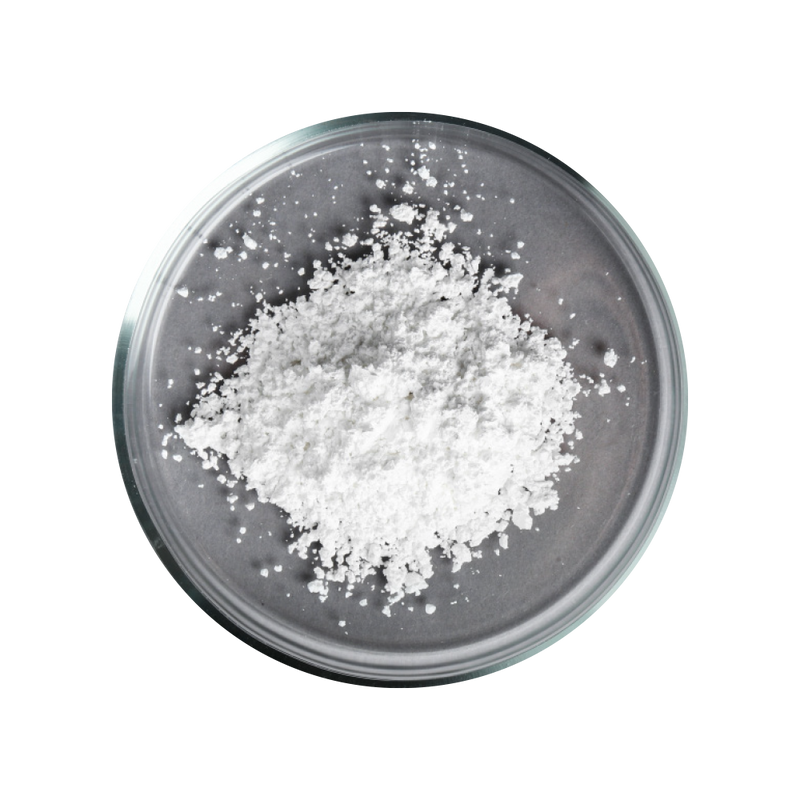
Aquamin® red algae powder
A marine multi-mineral complex derived from the red algae Lithothamnion. As it grows, it incorporates minerals from seawater into its structure. Aquamin® provides calcium as well as other marine minerals and trace elements. Mineralized deposits of dead algae are used to obtain it.
Micronutrients
Zinc
Zinc complements the micronutrient diversity of vabon microflora. It contributes to the normal function of the immune system and to normal macronutrient metabolism. Zinc also plays a role in cell division.
Micronutrients
Biotin
Biotin complements the formula with targeted support for the mucous membranes. It contributes to the maintenance of normal mucous membranes - including the intestinal mucosa. This makes biotin part of the fourth dimension of vabon microflora: natural micronutrient diversity.
Easy to use.
Recommended daily dose of vabon microflora
1 serving (12.75 g = 2 heaped measuring scoops) can generally be taken at any time of day. We recommend taking it with or after a meal.
Your gut is allowed to take its time. If you have a sensitive gut, start with half a serving per day during the first week and then increase to a full serving. Alternatively, you can split the daily serving into two half servings - for example, in the morning and at lunchtime.
Fits effortlessly into your everyday life.

Water

Smoothie

Porridge

Muesli

Yogurt

over the salad

Origin that matters.
Selected ingredients in vabon microflora offer more than just their function. Their origin, sourcing, and responsible use of resources are also important to us.
Our Inavea™ acacia fiber is one example. It is organically certified and part of the Acacia Program by Nexira and SOS Sahel, which has combined the protection and preservation of acacia populations with support for local communities since 2009.
2.15 million acacia trees planted
28,000 producers supported
10,900 ha of responsible forest management
100 villages in the Acacia Program
Since 2009, the program has focused on reforestation, protection against desertification, women's empowerment, and projects related to water and education, among other areas.
What science says
Inavea™ acacia fiber
JanssenDuijghuijsen, L., et al. (2024). Acacia fiber or probiotic supplements to relieve gastrointestinal complaints
in patients with constipation-predominant IBS: a 4-week randomized double-blindedplacebo-controlled intervention trial. European Journal of Nutrition, 63, 1983–1994. Available here for further reading!
Cherbut, C., Michel, C., Raison, V., Kravtchenko, T., & Méance, S. (2003). Acacia gum is a bifidogenic dietary fibre with high digestive tolerance in healthy humans. Microbial Ecology in Health and Disease, 15, 43–50. Available here for further reading!
Fibalance® / PHGG
Yasukawa, Z., Inoue, R., Ozeki, M., et al. (2019). Effect of repeated consumption of partially hydrolyzed guar gum on fecal characteristics and gut microbiota: a randomized, double-blind, placebo-controlled, and parallel-group clinical trial. Nutrients, 11(9), 2170. Read it here!
Niv, E., Halak, A., Tiommny, E., et al. (2016). Randomized clinical study: Partially hydrolyzed guar gum (PHGG) versus placebo in the treatment of patients with irritable bowel syndrome. Nutrition & Metabolism, 13, 10. Read it here!
Fibersol®-2
Burns, A. M., Solch, R. J., Dennis-Wall, J. C., et al. (2018). In healthy adults, resistant maltodextrin produces a greater change in fecal bifidobacteria counts and increases stool wet weight: a double-blind, randomized, controlled crossover study. Nutrition Research, 60, 33–42. Available here to read!
Baer, D. J., Stote, K. S., Henderson, T., et al. (2014). The metabolizable energy of dietary resistant maltodextrin is variable and alters fecal microbiota composition in adult men. The Journal of Nutrition, 144(7), 1023–1029. Available here to read!
OatWell™ oat beta-glucans
Telle-Hansen, V. H., Gaundal, L., Høgvard, B., et al. (2022). A three-day intervention with granola containing cereal beta-glucan improves glycemic response and changes the gut microbiota in healthy individuals: a crossover study. Frontiers in Nutrition, 9, 796362. Read it here!
Connolly, M. L., Tzounis, X., Tuohy, K. M., & Lovegrove, J. A. (2016). Hypocholesterolemic and prebiotic effects of a whole-grain oat-based granola breakfast cereal in a cardio-metabolic “at risk” population. Frontiers in Microbiology, 7, 1675. Read it here!
Psyllium husk powder
Jalanka, J., Major, G., Murray, K., et al. (2019). The effect of psyllium husk on intestinal microbiota in constipated patients and healthy controls. International Journal of Molecular Sciences, 20(2), 433. Available to read here!
Bijkerk, C. J., de Wit, N. J., Muris, J. W., et al. (2009). Soluble or insoluble fibre in irritable bowel syndrome in primary care? Randomised placebo controlled trial. BMJ, 339, b3154. Available to read here!
RS2 resistant starch
Maier, T. V., Lucio, M., Lee, L. H., et al. (2017). Impact of dietary resistant starch on the human gut microbiome, metaproteome, and metabolome. mBio, 8(5), e01343-17. Available here for further reading!
Martínez, I., Kim, J., Duffy, P. R., Schlegel, V. L., & Walter, J. (2010). Resistant starches types 2 and 4 have differential effects on the composition of the fecal microbiota in human subjects. PLOS ONE, 5(11), e15046. Available here for further reading!
Aquamin®
Aslam, M. N., Bassis, C. M., Bergin, I. L., et al. (2020). A calcium-rich multimineral intervention to modulate colonic microbial communities and
metabolomic profiles in humans: results from a 90-day trial. Cancer Prevention Research, 13(1), 101–116. Available here to read!
Aslam, M. N., McClintock, S. D., Jawad-Makki, M. A. H., et al. (2021). A multi-mineral intervention to modulate colonic mucosal protein profile: results from a 90-day trial in human subjects. Nutrients, 13(3), 939. Available here to read!
Fibriotics®
Wastyk, H. C.,Fragiadakis, G. K., Perelman, D., et al. (2021). Gut-microbiota-targeteddietsmodulatehuman immunestatus. Cell, 184(16), 4137–4153.e14.Available here to read!
Cranberry extract
Lessard-Lord, J., Roussel, C., Lupien-Meilleur, J., et al. (2024). Short-term supplementation with cranberry extract modulates gut microbiota in humans and displays a bifidogenic effect. npj Biofilms and Microbiomes, 10, 18. Read it here!
* no added sugar
△ The selected publications address individual ingredients or comparable raw materials. The quantities studied, preparations, and groups of people sometimes differ fromvabonmicroflora. The results cannot be directly applied to the finished product.
Products you might also be interested in:

Type: For health, energy & zest for life
Core Pack +

Type: For health, energy & zest for life
Core Pack

Type: For health, energy & zest for life
Balance Pack
Frequently Asked Questions
What distinguishes vabon microflora from a probiotic?
What distinguishes vabon microflora from a probiotic?
Probiotics contain live microorganisms or selected bacterial strains. vabon microflora takes a different approach: Instead of supplying additional bacteria, the formula provides a variety of fibers, polyphenols, and fermented plant ingredients for the gut microbiota already present.
Because your microbiome is unique - and different microorganisms use different nutrients. vabon microflora therefore consciously focuses on diversity for your own microbiome rather than individual added bacterial strains.
Why does vabon microflora contain several types of dietary fiber?
Why does vabon microflora contain several types of dietary fiber?
Because fiber is not all the same. Different fibers have different structures and fermentation properties - and are therefore used by different gut microorganisms.
vabon microflora combines six selected sources of fiber with different properties and fermentation profiles. This combination broadens the food supply for the gut microbiota and is a central component of the diversity concept.
How much fiber does one serving contain?
How much fiber does one serving contain?
One daily serving of vabon microflora provides 9 g of dietary fiber. These come from various sources such as acacia fiber, oats, resistant maltodextrin, partially hydrolyzed guar gum, resistant corn starch, and psyllium husks.
Therefore, vabon microflora does not rely on as much as possible of a single fiber, but on the targeted combination of different types of dietary fiber.
Warum setzt vabon microflora auf 9g Ballaststoffe?
Warum setzt vabon microflora auf 9g Ballaststoffe?
Unterschiedliche Darmmikroorganismen nutzen unterschiedliche Ballaststoffe. Genau deshalb kombiniert vabon microflora verschiedene Strukturen und Fermentationsprofile – ergänzt durch Polyphenole und fermentierte Pflanzenbestandteile, die bereits während der Fermentation entstandene Metabolite und mikrobielle Zellbestandteile mitbringen.
Gleichzeitig wurde die Rezeptur auf eine gute Verträglichkeit ausgelegt. Sehr hohe Mengen einzelner Ballaststoffe können bei empfindlichen Personen eher zu Blähungen oder Unwohlsein führen.
Unser Ansatz: nicht maximal, sondern intelligent kombiniert – vielfältig, gut verträglich und passend zu einem vielfältigen Mikrobiom.
Does vabon microflora contain allergens?
Does vabon microflora contain allergens?
vabon microflora contains oats or oat extract. Oats are one of the allergens that must be declared. The product is vegan and free from soy and lactose. Please refer to the complete ingredient and allergen labelling on the packaging.
Ist vabon microflora bei Histaminempfindlichkeit geeignet?
Ist vabon microflora bei Histaminempfindlichkeit geeignet?
Der Inhaltsstoff Fibriotics®, bestehend aus einer Mischung von 36 fermentierten Früchten und Gemüsesorten, enthält vernachlässigbare Mengen an Histamin und anderen biogenen Aminen und gilt als geeignet für Personen mit Histamin-empfindlichkeit.
What are polyphenols?
What are polyphenols?
Polyphenols are natural plant compounds found, among other foods, in berries, fruit, and vegetables. Some of them reach the large intestine, where the gut microbiota can convert them into smaller metabolic products.
vabon microflora therefore deliberately complements its variety of dietary fibers with polyphenols from various plant sources - including cranberry, beetroot, and fermented plant components. This creates another dimension of plant-based diversity.
What does fermented mean?
What does fermented mean?
Fermentation is a natural transformation process in which microorganisms metabolize plant components.
For FIBRIOTICS®, 36 different types of fruit and vegetables undergo a multi-week, controlled fermentation process. During this process, plant components change, and fermentation metabolites as well as microbial cell components, among other things, are produced. vabon microflora therefore brings not only plant diversity to the formulation, but also components that have already formed during fermentation.
Was bringen die fermentierten Inhaltsstoffe? Sind das Postbiotika?
Was bringen die fermentierten Inhaltsstoffe? Sind das Postbiotika?
vabon microflora enthält 36 verschiedene Obst- und Gemüsesorten, die einen mehrwöchigen, kontrollierten Fermentationsprozess durchlaufen (FIBRIOTICS®). Dabei verändern sich Pflanzenbestandteile und es entstehen unter anderem Fermentationsmetabolite sowie mikrobielle Zellbestandteile.
Zu diesen bereits während der Fermentation entstandenen Stoffen gehören unter anderem organische Säuren wie Essigsäure und Buttersäure. Zusätzlich inaktivierte mikrobielle Zellen bzw. Zellbestandteile und pflanzliche Bestandteile wie Polyphenole. Zusammen wird das oftmals als Postbiotika bezeichnet.
Der Unterschied zu klassischen fermentierbaren Ballaststoffen: Diese werden erst durch die Darmmikrobiota fermentiert. FIBRIOTICS® bringt dagegen bereits entstandene Fermentationsprodukte mit, die von Darmmikroorganismen weiterverwertet werden können.
Man kann es vereinfacht so sagen:
Ballaststoffe liefern Ausgangsmaterial für die Fermentation im Darm – FIBRIOTICS® bringt zusätzlich bereits während einer Fermentation entstandene Bestandteile mit.
Warum enthält vabon microflora mehrere verschiedene Ballaststoffarten?
Warum enthält vabon microflora mehrere verschiedene Ballaststoffarten?
Weil Ballaststoff nicht gleich Ballaststoff ist. Unterschiedliche Fasern besitzen unterschiedliche Strukturen und Fermentationseigenschaften – und werden deshalb auch von unterschiedlichen Darmmikroorganismen genutzt.
vabon microflora kombiniert sechs ausgewählte Ballaststoffquellen mit verschiedenen Eigenschaften und Fermentationsprofilen. Genau diese Kombination erweitert das Nahrungsangebot für die Darmmikrobiota und ist ein zentraler Bestandteil des Vielfalt-Konzepts.
When is the best time to take Vabon Microflora?
When is the best time to take Vabon Microflora?
vabon microflora can generally be taken at any time of day. We recommend taking it with or after a meal, for example at breakfast or lunch.
A daily serving can simply be stirred into a liquid or combined with yogurt, a plant-based alternative, muesli, porridge, or a smoothie. The exact time is less important than taking it regularly every day.
Wann kann ich erste Veränderungen bemerken?
Wann kann ich erste Veränderungen bemerken?
Das ist individuell. Wir versprechen keinen bestimmten Zeitpunkt und keine konkrete Wirkung.
Am Anfang stellt sich der Darm auf die neuen Ballaststoffe ein. In dieser Zeit kann es vereinzelt zu Blähungen kommen, vor allem wenn man bisher wenig Ballaststoffe gewohnt ist. Das liegt daran, dass die Darmbakterien beginnen, die neuen Nährstoffe zu verwerten. Dieser Anpassungsprozess ist vorübergehend und kein negatives Zeichen.
Nach wenigen Tagen berichten viele von ersten positiven Veränderungen. Der Stuhlgang wird regelmäßiger, die Konsistenz gleichmäßiger und das Stuhlvolumen angenehmer. Auch das Bauchgefühl wird oft ruhiger.
Langfristig kannn sich die Wirkung zeigen, die das Mikrobiom in vielen Bereichen des Körpers hat.
Why should I start taking it slowly?
Why should I start taking it slowly?
One serving of vabon microflora provides 9 g of fiber. If you have previously eaten a relatively low-fiber diet or have sensitive digestion, you can gradually get used to this additional amount of fiber.
We therefore recommend starting with half a serving per day during the first week and then increasing to a full serving. Alternatively, the daily serving can be split into two half-servings.
Was tun, wenn ich trotzdem Blähungen bekomme?
Was tun, wenn ich trotzdem Blähungen bekomme?
In dem Fall empfehlen wir: Dosis kurz reduzieren (z. B. halbe Portion) und dann langsam steigern.
Unser Produkt enthält Low FODMAP-zertifizierte Ballaststoffe und weitere Ballaststoffe, die als besonders gut verträglich gelten. Daher sind solche Reaktionen selten und meist nur mild ausgeprägt.
Kann ich das Produkt dauerhaft nehmen?
Kann ich das Produkt dauerhaft nehmen?
Ja, das Produkt ist für die tägliche, langfristige Anwendung entwickelt. Der Darm profitiert besonders von Kontinuität, nicht von kurzfristigen Kuren.
Kann ich vabon microflora auch bei einem empfindlichen Darm oder bestehenden Darmbeschwerden verwenden?
Kann ich vabon microflora auch bei einem empfindlichen Darm oder bestehenden Darmbeschwerden verwenden?
Das Produkt wurde bewusst auf hohe Verträglichkeit ausgelegt (u. a. durch Low FODMAP-Ballaststoffe). Viele Menschen mit empfindlichem Darm vertragen es daher gut. Bei bekannten Beschwerden empfehlen wir trotzdem, langsam einzusteigen und die individuelle Verträglichkeit zu beobachten.
Hilft es bei Reizdarm, trägem Darm oder Durchfall?
Hilft es bei Reizdarm, trägem Darm oder Durchfall?
Zu Reizdarm, trägem Darm oder dem Gegenteil davon dürfen wir keine Heil- oder Behandlungsversprechen geben. Aber man kann es immer probieren.
Kann ich vabon microflora während einer Antibiotika-Einnahme verwenden?
Kann ich vabon microflora während einer Antibiotika-Einnahme verwenden?
Grundsätzlich kann vabon microflora auch begleitend zu einer Antibiotika-Einnahme verwendet werden. Die enthaltenen Ballaststoffe, Pflanzenstoffe und fermentierten Pflanzenbestandteile ergänzen die tägliche Ernährung auch in dieser Phase sinnvoll.
Da Antibiotika die Verdauung und das Darmmikrobiom vorübergehend beeinflussen können, empfehlen wir bei empfindlichem Darm oder bei Neueinstieg zunächst mit einer halben Portion zu beginnen und die Verträglichkeit individuell zu beobachten.
Wenn du Medikamente einnimmst oder unsicher bist, ob vabon microflora zu deinem Antibiotikum passt, halte bitte Rücksprache mit deinem Arzt oder deiner Apotheke.
Muss ich viel trinken dazu?
Muss ich viel trinken dazu?
Da Ballaststoffe Wasser binden, ist es generell sinnvoll, über den Tag ausreichend zu trinken.
Wann nehme ich vabon microflora am besten ein – morgens, abends oder nüchtern?
Wann nehme ich vabon microflora am besten ein – morgens, abends oder nüchtern?
vabon microflora kann grundsätzlich zu jeder Tageszeit eingenommen werden. Wir empfehlen die Einnahme zu oder nach einer Mahlzeit, beispielsweise zum Frühstück oder Mittagessen.
Die Einnahme auf nüchternen Magen ist ebenfalls möglich. Die enthaltenen Ballaststoffe, fermentierten Inhaltsstoffe und Mineralstoffe werden von vielen Personen zu oder nach einer Mahlzeit oder einem Snack besonders gut vertragen.
Auch die Einnahme am Abend ist möglich. Entscheidend ist weniger die genaue Uhrzeit als eine regelmäßige tägliche Einnahme.
Eine Tagesportion kann einfach in Flüssigkeit eingerührt oder mit Joghurt, einer pflanzlichen Alternative, Müsli, Porridge oder einem Smoothie kombiniert werden.
Ist vabon microflora ein Probiotikum – und was ist der Unterschied?
Ist vabon microflora ein Probiotikum – und was ist der Unterschied?
Nein. vabon microflora verfolgt bewusst ein anderes Konzept. Probiotika enthalten ausgewählte lebende Mikroorganismen, die von außen zugeführt werden. Wie stark und wie lange diese im Darm nachweisbar sind, kann sich von Mensch zu Mensch deutlich unterscheiden.
vabon microflora setzt dagegen auf das mikrobielle Ökosystem, das bereits da ist. Und das ist hochkomplex: Im Darm eines Menschen leben hunderte verschiedene Bakterienarten und zahlreiche weitere Mikroorganismen, die unterschiedliche Nahrungsbestandteile nutzen.
Genau diese vorhandene Vielfalt wollen wir nicht durch wenige ausgewählte Stämme ersetzen, sondern möglichst breit versorgen. Deshalb kombiniert vabon microflora verschiedene Ballaststoffarten, Polyphenole und fermentierte Pflanzenbestandteile. Unterschiedliche Mikroorganismen erhalten damit unterschiedliche Substrate – passend zu einem Mikrobiom, das selbst von Vielfalt lebt.
Die fermentierten Inhaltsstoffe ergänzen dieses Konzept um bereits während der Fermentation entstandene Metabolite und mikrobielle Zellbestandteile.
Kurz gesagt: Probiotika führen ausgewählte Mikroorganismen von außen zu. vabon microflora respektiert das individuelle Mikrobiom, das bereits vorhanden ist, und setzt auf Vielfalt, um dieses bestehende Ökosystem möglichst breit zu unterstützen.
Can I combine vabon microflora with a probiotic?
Can I combine vabon microflora with a probiotic?
Yes. vabon microflora is not a probiotic and does not see itself as competition for probiotics.
While a probiotic supplies selected live microorganisms, vabon microflora focuses on providing the existing gut microbiota with a variety of fibers, plant compounds, fermented components, and minerals. Therefore, vabon microflora can generally be used on its own or as a supplement to a suitable probiotic.
What is the difference between vabon microflora and vabon essentials?
What is the difference between vabon microflora and vabon essentials?
Both products are designed for your daily routine, but they have different focuses.
vabon essentials provides your cells with over 70 minerals and trace elements, as well as a strong dose of 12 vitamins, mangosteen, aloe vera, resveratrol, and acerola. It is therefore primarily focused on providing a broad daily supply of micronutrients.
vabon microflora takes a targeted approach to the gut microbiome and its diversity. At its core are 9 g of fiber from various sources, polyphenols, 36 fermented fruits and vegetables, and selected micronutrients.
The products therefore have different focuses and complement each other meaningfully as part of a daily health routine.
A well-nourished gut forms the foundation for absorbing and utilizing nutrients from food and dietary supplements in the body.
Notes & Health Claims
Note: The recommended daily intake stated must not be exceeded. Food supplements are not a substitute for a varied and balanced diet and a healthy lifestyle. Keep out of the reach of young children.
Note on the product advertising text in accordance with the European Health Claims Regulation: Calcium contributes to the normal function of digestive enzymes and to normal energy-yielding metabolism. Biotin contributes to normal energy-yielding metabolism, the normal functioning of the nervous system, normal psychological function, normal metabolism of macronutrients, and the maintenance of normal mucous membranes. Zinc contributes to normal acid-base metabolism, normal carbohydrate metabolism, and normal metabolism of macronutrients. Zinc also contributes to the normal functioning of the immune system and to normal cognitive function, and has a role in the process of cell division.
