

Humans constantly renew themselves. Every seven years – with the exception of brain cells – all our cells are literally replaced. Fascinating, isn’t it?
Minerals and trace elements make a significant contribution to this regular cell renewal. These power substances, which make up only five percent of our body, keep all life going. They ensure strong bones, powerful muscles, healthy teeth, a smooth metabolism, and much more. Small cause, big effect!
Magnesium
Magnesium is an essential mineral, for example: many know it is important for electrolyte balance. But it also participates – like calcium – in the formation of bones, teeth, and tendons, is important for muscle function, and nothing happens in cell division without magnesium! Additionally, this anti-stress mineral activates enzymes for energy production, contributes to good protein synthesis, and supports our nervous system!
Zinc
Zinc not only supports beautiful skin, hair, and nails, boosts the immune system, and helps regulate fatty acid metabolism as well as acid-base balance. It is also involved in successful reproduction! Why? It regulates testosterone levels and supports normal fertility and reproduction.
Selenium
Selenium protects our cells, helps slow down the aging process, and supports fertility. The thyroid also receives protective support from selenium. It is well known that it is good for hair and nails.
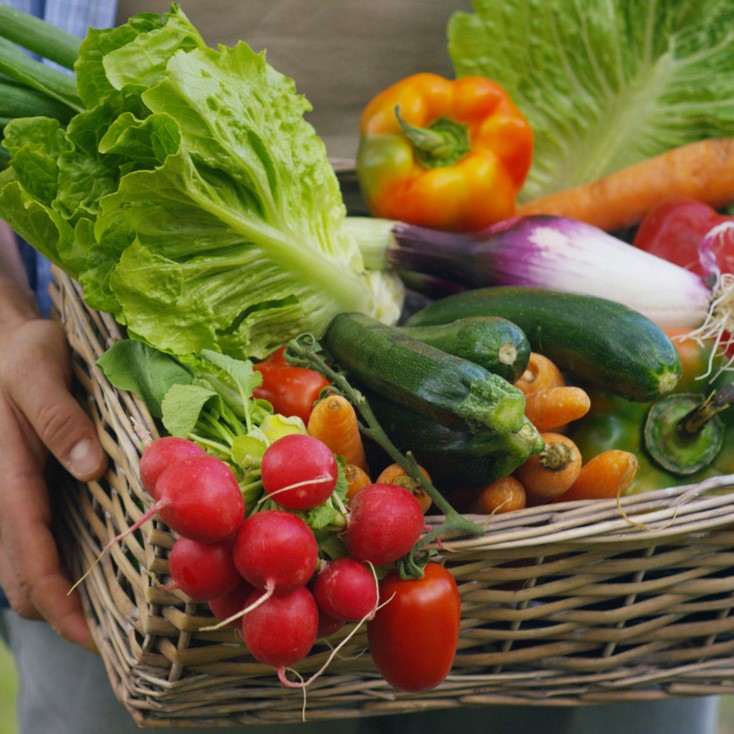
However, the body cannot produce minerals and trace elements itself – they must be supplied through food, so they are essential. That’s why fruits and vegetables are so incredibly important.
Plants take these substances from the soil and make them usable for us. Trace elements and minerals become many thousands of times smaller than red blood cells, and the body can utilize them much better than if you – to put it simply – consumed crushed minerals. Only through the conversion process in plants are these substances optimally usable for humans.
At least five servings of fruits and vegetables should be consumed daily according to the German Nutrition Society, while a long-term study by University College London, which observed the eating habits of 65,000 people over eight years, suggests that it should be at least seven, better yet ten servings – mostly vegetables. In fact, only about 30% of people reach five servings daily!
This is where vabon essentials come into play – because you should never give up these valuable substances out of pure selfishness! It tastes delicious and supplies the body daily with enjoyment and valuable substances from nature.


